
Helping Our Children Find Calm
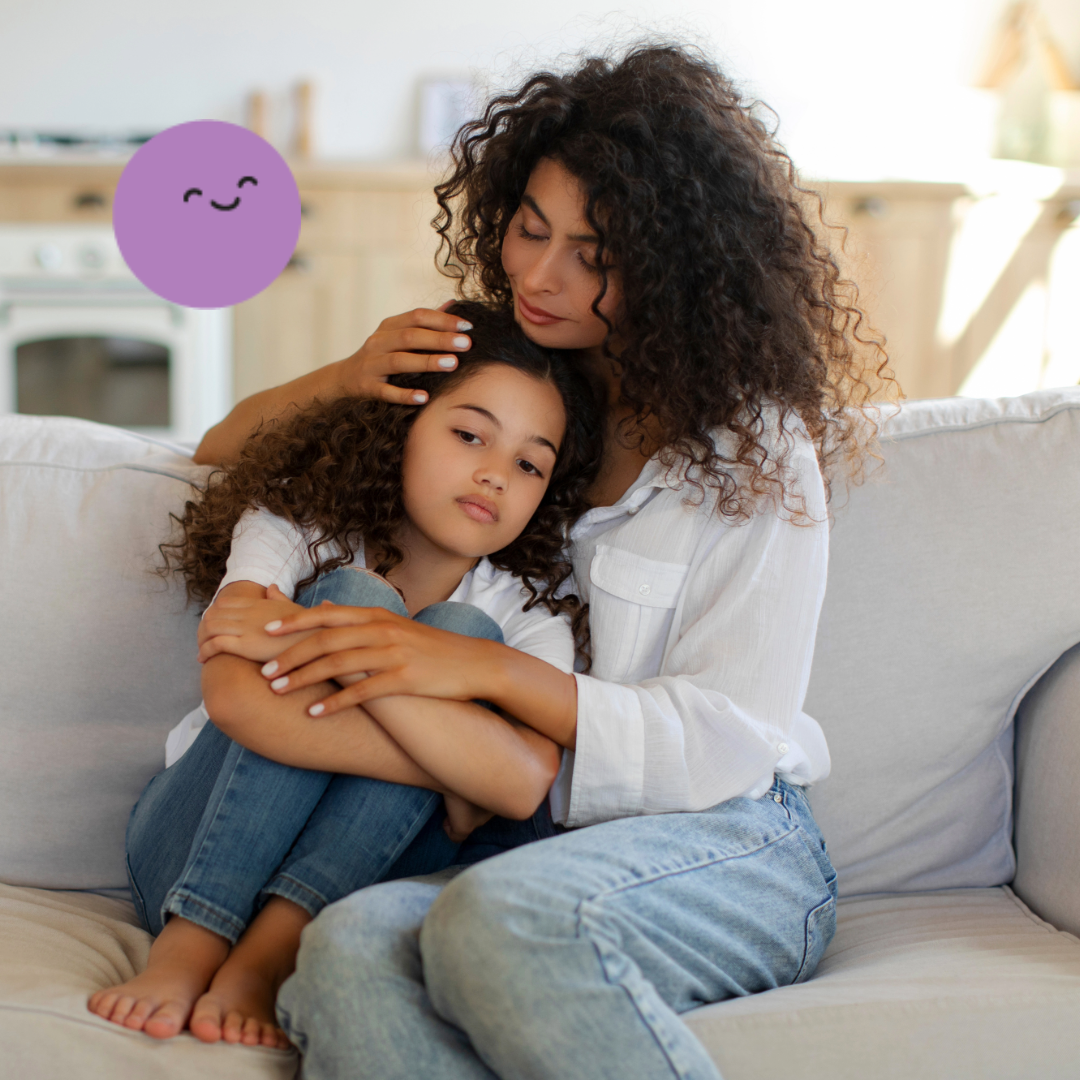
Think back to when we were children and something felt too big, too overwhelming. What did we do with that feeling?
Now think about our own children. When something feels too big for them, what do they do with that feeling? Do we always notice? And when we do, do we always know how to help?
Different Behaviours Can Say The Same Thing
Just as we all cope differently, so do our children. There is no right or wrong way for big feelings to show up, and it is not always a meltdown. Often it is the slow build long before things finally erupt, or a quiet withdrawal that never quite explodes but matters just as much.
The child who bottles it up. They go quieter as the pressure builds. They pull away, give one-word answers, and seem to switch off. Then suddenly something small tips them over the edge. A shout of "I'm never speaking to you again!" A hand that lashes out. Running to hide. It looks like it came from nowhere, but it didn't. The feelings had been building for a while, they just had no way of letting them out in smaller pieces.
The child who lets it all out. "You're stressing me out!" they announce, before stomping off to do the very thing we asked. They huff, they sigh, they narrate their frustration in real time, and it can feel like defiance. But underneath all of that noise, they are actually communicating. They haven't yet found a way to say how they feel, but they are reaching out in the only way they know how.
Listening With Our Eyes
Every child is different, and every child has their own way of telling us they have a need or are feeling overwhelmed. When we start to notice our own child's particular patterns of behaviour, we stop reacting to the outburst and start seeing the child behind it.
Our Calm Is the Tool
Children cannot regulate their emotions on their own. The developing brain needs another calm nervous system nearby to help it find its way back to a calmer state. This is co-regulation.
When children are overwhelmed, their body releases cortisol and adrenaline, the same stress hormones that trigger our fight or flight response. In this heightened state, the thinking part of the brain effectively goes offline, and they simply cannot reason, problem solve, or calm themselves down. Their nervous system looks to the calm adult around them to help bring those levels back to a calmer state. When we crouch down, lower our voice, and stay present without panic, we give their brain the signal that it is safe to settle.
For the child who goes inward, it might look like sitting nearby without demands. Just being a safe, quiet presence until they are ready.
For the child who lets it all out, it might look like acknowledging the feeling before addressing the behaviour. "I can see you're really frustrated. Let's take a breath together before we work this out."
We will not always get it right, and that is okay. What matters is that over time, our children feel seen, safe, and know that we are there.
The Bigger Picture
Every time we meet our children's big feelings with patience instead of frustration, we are quietly building something really important. Trust.
We are showing them that when things feel hard, we are a safe place to bring it. That they do not have to manage it alone, or hide the difficult parts of themselves from us.
The child who feels safe enough to fall apart in front of us at seven is far more likely to be the teenager who comes to us at fourteen when something is really wrong.
What we do in these everyday moments, the small acts of staying calm, staying close, and staying curious, lays the foundation for a relationship where our children know, deep down, that they are not alone in it.
Build Connection
Our Little Moments, Big Feelings journal is a wonderful place to start building connection and exploring emotions. Designed to be used together, it opens up conversations, builds trust, and helps children begin to understand how they feel. Find it at shop.brave-beginnings.co.uk
